A Taste of Stillness: Culinary Rituals in Inland Kansai
An essay on shojin ryori temple vegetarianism, natural spring waters, and cooking that listens to the soil.
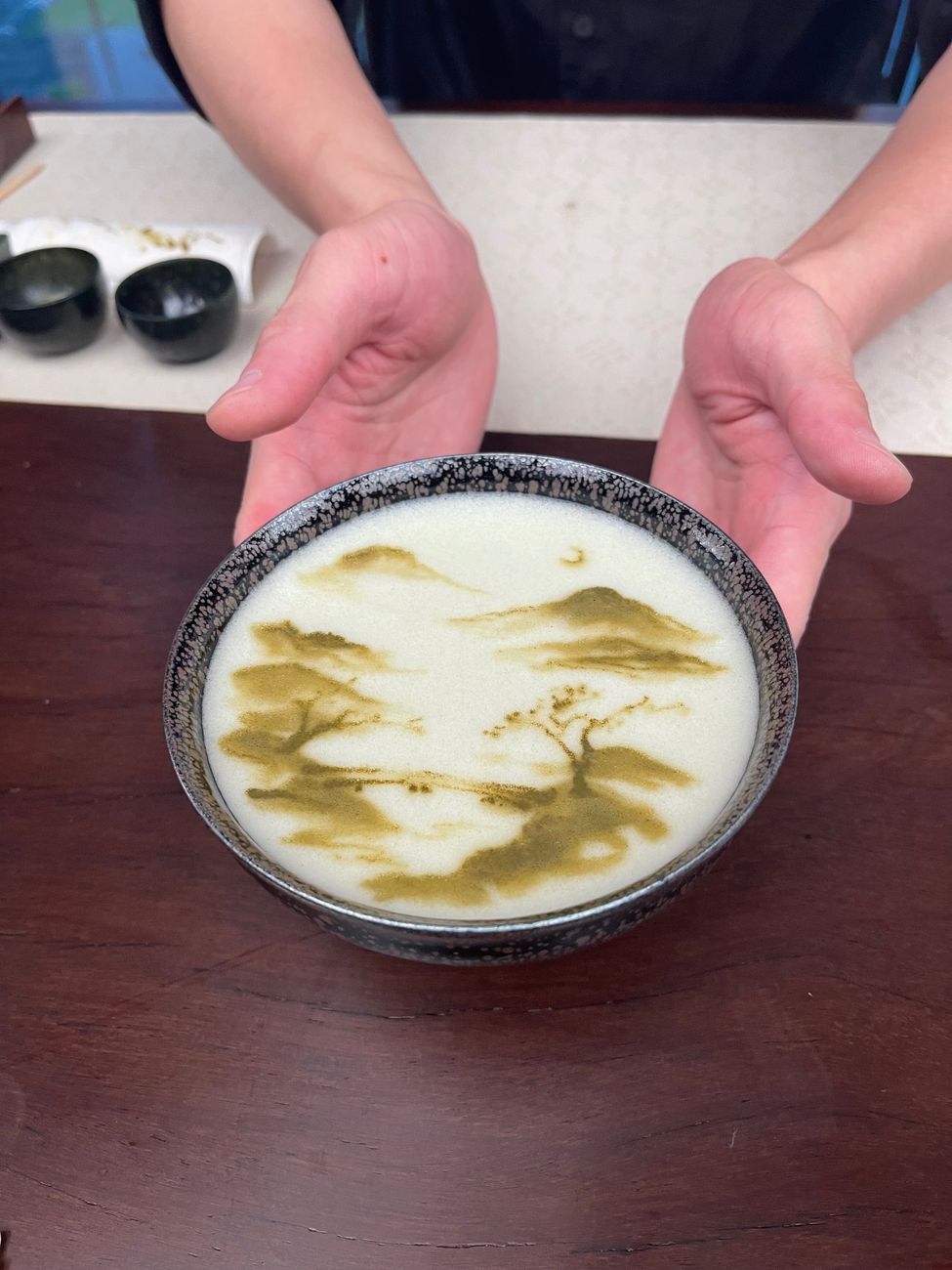
On Mount Koya, morning begins long before the sun clears the cedar canopy. In the temple kitchen, wooden ladles skim broth made exclusively from dried kombu and filtered rainwater, devoid of pungent garlic or onions.
1. The Monastic Bowl
Shojin ryori, the ancient Buddhist culinary tradition, is not merely vegan sustenance; it is a philosophy of mindfulness. Every meal features five distinct flavors (sweet, sour, salty, bitter, and savory) and five elemental colors. Preparing sesame tofu requires forty minutes of uninterrupted stirring over embers, turning an act of kitchen labor into a form of active meditation.
“When you prepare food with reverence, the consumer receives both physical nutrition and calm spirit.”
2. Wild Mountain Shoots & Sansai
In spring and early autumn, elders in the surrounding mountain villages head into misty ravines to forage sansai: wild fern fiddleheads, bitter angelica buds, and forest mushrooms. Lightly simmered in mirin and soy sauce, these wild plants bring the earthy bitterness of the mountains directly to the tongue.
3. Handheld Earth: The Ceramic Vessel
In Kansai, the vessel that holds your broth is equal in importance to the broth itself. Ceramic bowls from Tamba and Shigaraki are intentionally irregular, bearing the ash marks of wood-fired kilns. Touching the tactile, coarse surface grounds the diner in the very earth that gave birth to the crop.
Taste the Heritage
We maintain a private list of authentic culinary retreats and family-run ryokans throughout Japan. Inquire for bespoke culinary curations.
Request Culinary Portfolio